The Complete Beginner’s Guide to Invisalign Calabasas CA
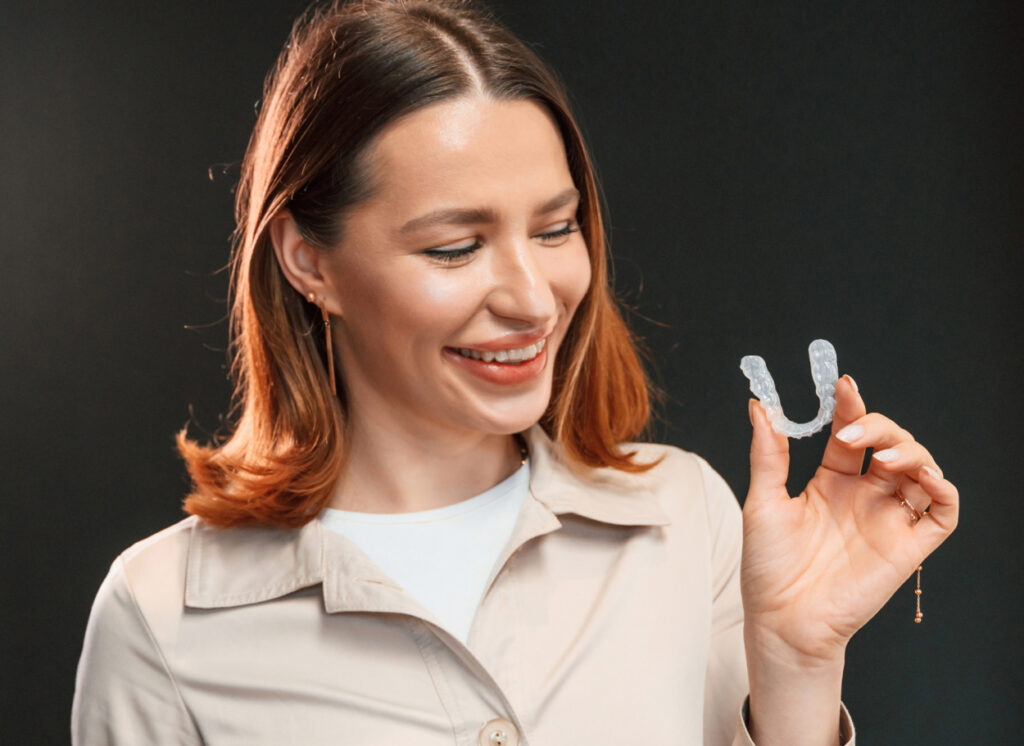
If you have been thinking about straightening your teeth but do not love the idea of metal braces, Invisalign usually enters the conversation early. For many adults and teens in Calabasas, it feels like the more practical option. The aligners are clear, removable, and easier to fit into work, school, social events, and daily life. That said, the simplicity people see from the outside can be misleading. Invisalign is convenient, but it still requires planning, discipline, and the right provider.
Anyone searching for Invisalign Calabasas CA is usually trying to answer a few basic questions at once. Does it work? How long does it take? What does it cost? Will people notice it? Is it a good option for my specific teeth, or am I better off with braces? Those are sensible questions, and they are worth answering carefully rather than with marketing language.
A good Invisalign result comes from three things working together: accurate diagnosis, realistic treatment planning, and consistent wear. Miss one of those, and the experience can become frustrating. Get all three right, and the process often feels much smoother than patients expect.
Why Invisalign appeals to so many Calabasas patients
Calabasas has plenty of professionals, business owners, students, performers, and camera-facing people who want orthodontic treatment without the obvious look of brackets and wires. That is one reason Invisalign remains popular. It is discreet enough for meetings, photos, school presentations, and dinners out. Most people will not notice you are wearing aligners unless they are standing quite close.
The second reason is flexibility. You remove the trays to eat, drink anything other than water, brush, and floss. Anyone who has spent time around traditional braces knows how significant that is. There are no food restrictions in the usual sense because the aligners come out before meals. You can still enjoy popcorn at a movie, a salad with nuts, or crusty bread at dinner, then brush and place the trays back in.
The third reason is comfort, at least relative comfort. Invisalign does move teeth, and tooth movement is never completely sensation-free, but there are no metal brackets scraping the inside of the lips and cheeks. Most patients describe the feeling as pressure rather than pain, especially for the first day or two after switching to a new set.
That convenience has a catch. Traditional braces work around the clock because they are fixed in place. Invisalign only works when it is actually on your teeth. If someone wears aligners 12 to 15 hours a day instead of the recommended 20 to 22, the treatment can stall, refinements can multiply, and the original timeline may stop being realistic.
What Invisalign actually is
Invisalign uses a sequence of custom-made clear plastic aligners to move teeth in small increments. Before treatment starts, your provider takes digital scans, photographs, and often X-rays. Those records are used to map out how the teeth should move over time. Each set of aligners is slightly different from the one before it, guiding the teeth toward the planned final position.
This is where beginners often imagine the process is entirely automated. It is not. Software helps, but software does not replace clinical judgment. A skilled dentist or orthodontist decides whether your bite can be corrected predictably with aligners, whether certain teeth need attachments, whether teeth need to be shaped slightly between contacts, and whether the plan should be adjusted along the way.
Attachments are small, tooth-colored shapes bonded to certain teeth. They give the aligners something to grip so more complex movements can happen. Patients sometimes feel surprised when they learn Invisalign is not always just a smooth tray over natural teeth. In reality, attachments are common, useful, and usually subtle enough that other people still do not notice them.
Who tends to be a good candidate
Invisalign can treat a wide range of orthodontic issues, from minor crowding to many moderate bite problems. It often works well for spacing, mild to moderate crowding, some overbites and underbites, and relapse after previous orthodontic treatment. Adults who had braces years ago and stopped wearing retainers make up a large share of Invisalign patients. It is a familiar story. The teeth looked great at 18, drifted by 28 or 38, and now the lower front teeth overlap again.
Some cases are more complex. Severe bite discrepancies, major rotations, teeth that need significant vertical movement, or skeletal issues may still be better treated with braces or with a combined orthodontic and surgical plan. Invisalign technology has improved dramatically, but it is not magic, and not every provider has the same level of experience with difficult cases.
A consultation should leave you with a clear sense of fit. If the provider brushes past your bite, jaw relationship, gum health, or retention plan, that is a sign to ask more questions.
Here are a few situations where Invisalign often makes practical sense:
- You want a less noticeable alternative to braces for work, school, or social reasons.
- You can commit to wearing aligners 20 to 22 hours a day.
- Your case is mild to moderately complex, or your provider has strong experience with complex aligner treatment.
- You are willing to attend follow-up visits and wear retainers after treatment.
- Your gums and teeth are healthy enough to move safely.
The first consultation, what should happen
A proper consultation should feel thorough, not rushed. In many offices, you will have digital scans instead of old-fashioned impression material. The scans are faster, cleaner, and easier for patients who dislike gagging. Records may also include photographs and X-rays so the provider can assess roots, bone support, and any dental issues that should be handled before orthodontic treatment begins.
The provider should evaluate more than crooked front teeth. Straight teeth that do not bite well can still create problems. A stable result depends on how the upper and lower teeth fit together, whether there is enough room, whether gum recession is present, and whether habits such as clenching or grinding might affect treatment.
Expect a conversation about timing and compliance. If you travel often, snack constantly, or know you tend to lose removable appliances, mention that. It is better to discuss real life upfront than to act like perfect wear will somehow happen later. The best treatment plans account for actual human behavior.
In offices that offer Invisalign Calabasas CA, costs and financing are usually discussed during or shortly after the exam. A transparent office will tell you what is included. That matters more than people realize. Some fees include retainers and refinement aligners, while others do not. Two quotes that sound similar at first can be meaningfully different once those details are unpacked.
How treatment unfolds in daily life
Once your aligners are ready, you will receive several sets at a time or pick them up in stages. Most patients change trays every one to two weeks, depending on the plan. The first few days often bring an adjustment period. Speech may sound slightly different, especially with certain sounds, and saliva production can increase for a short time. Nearly everyone adapts.
Daily success with Invisalign comes down to routine. Patients who do best tend to treat aligner wear like brushing their teeth, nonnegotiable unless they are eating. They remove the trays for meals, brush before putting them back in, and carry a case rather than wrapping aligners in napkins. It sounds simple, but a huge number of trays disappear in restaurants that way.
There is a small learning curve around coffee, tea, and social eating. Since aligners should be removed for anything other than water, people who sip drinks all morning often need to tighten their habits. Some decide to enjoy coffee during a dedicated breakfast window instead of stretching one cup over two hours. Others switch to iced coffee with breakfast, brush, then put the aligners back in and move on with the day. Tiny changes like that keep treatment on track.
Travel also requires planning. Pack your current trays, the next set if you are due to switch soon, your case, travel toothbrush, floss, and cleaning crystals or gentle soap. Patients who stay organized rarely struggle. Patients who toss a single set into a handbag with no backup are the ones who call from airports.
What Invisalign can fix, and where its limits show
One of the most common misunderstandings is that Invisalign is either only for very minor cosmetic cases or perfect for absolutely everything. Neither is true. It is capable and versatile, but it works best when the treatment goal matches the biology of tooth movement and the provider knows how to sequence those movements intelligently.
For example, closing small spaces can be straightforward. Aligning crowded lower front teeth can also go well, though crowding sometimes requires interproximal reduction, a controlled polishing between teeth to create a little room. Patients hear that phrase and get nervous, but when done conservatively, it is a routine part of many orthodontic plans.
Where Invisalign can become more technique-sensitive is with certain bite issues, significant root positioning, extrusion of teeth, or larger jaw discrepancies. That does not automatically rule Invisalign Calabasas CA it out. It simply means the provider’s experience matters more. A seasoned orthodontist or dentist with extensive aligner training may manage a case predictably that a less experienced clinician would struggle with.
This is one area where glossy before-and-after photos can be misleading. Photos show the front view. They rarely tell you whether the back teeth fit correctly, whether the roots are well positioned, or whether the finish will remain stable after retention.
Cost in Calabasas, and what influences the fee
The price of Invisalign varies. In the Calabasas market, fees often reflect case complexity, the provider’s experience, whether treatment is limited or comprehensive, and what the office includes in the quoted number. Mild cases may cost less, while complex treatment with longer timelines and multiple refinements will usually cost more.
A realistic way to think about cost is to ask what you are paying for beyond the plastic trays. You are paying for diagnosis, planning, monitoring, adjustments, refinements, office overhead, and the provider’s judgment. Cheap treatment is not always a bargain if it leads to poor bite correction, prolonged treatment, or an unstable finish that needs retreatment later.
Dental insurance sometimes contributes to Invisalign similarly to braces, though coverage varies widely. Health savings accounts and flexible spending accounts may also help. Many offices offer monthly payment plans, which can make treatment more manageable.
When comparing offices, ask whether the quote includes the initial records, all aligners, refinements if needed, retainers, and follow-up visits. Some patients find out too late that the lowest price did not include the final retainers, and retention is not optional. Teeth naturally want to drift.
The timeline most beginners can expect
A small cosmetic alignment case may finish in several months. Moderate treatment often lands somewhere around 12 to 18 months, sometimes longer. Complex cases can extend beyond that. The timeline depends on the starting position of the teeth, how the bite needs to change, whether refinements are necessary, and how reliably the aligners are worn.
Refinements are common and not necessarily a sign that something went wrong. Teeth do not always move exactly as predicted on the computer. Biological systems are more variable than software models. A refinement phase uses updated scans and additional trays to fine-tune the result.
The patients who finish close to their original estimate usually share one trait: consistency. The ones who wear trays faithfully, show up for checks, and switch aligners on schedule tend to progress smoothly. The ones who leave trays out for long lunches, nights out, and weekends often add months without realizing how quickly those lost hours accumulate.
Living with attachments, elastics, and minor discomfort
Some treatment plans include attachments, elastics, or small adjustments between teeth. These details can sound intimidating before treatment begins, but in practice most patients adapt quickly.
Attachments may feel slightly rough at first, especially when the trays are out. After a week or two, most people stop noticing them. Elastics require more diligence because they must be changed and worn as directed, but they can be important for correcting bite relationships. If your plan includes them, take that seriously. Skipping elastics while expecting perfect bite correction is one of the classic ways to prolong treatment.
Minor tenderness is normal, especially after switching to a new aligner. Over-the-counter pain relief, soft foods for a day, and changing into a new set at night often help. What you should not ignore is severe pain, a tray that obviously does not seat, a cracked aligner, or swelling around the gums. Those are reasons to call the office rather than guessing.
Choosing the right provider in Calabasas
Searching for Invisalign Calabasas CA will give you no shortage of options. The challenge is not finding offices that offer aligners. The challenge is finding the clinician who can evaluate your case honestly and deliver a result that looks good and functions well.
Experience matters, but so does communication. A technically capable provider who never explains anything leaves patients feeling uncertain. On the other hand, a warm sales pitch with little clinical depth should make you cautious. You want both skill and clarity.
A strong consultation often includes a discussion of alternatives. If a provider says Invisalign is ideal for every single patient who walks in, that is hard to take seriously. Sometimes braces are genuinely the better tool. Sometimes limited treatment is enough. Sometimes restorative dental work or periodontal treatment should come first.
These questions can help you compare offices:
- How often do you treat cases like mine with Invisalign?
- What results should I realistically expect, both cosmetically and functionally?
- Will I likely need attachments, elastics, or refinement trays?
- What is included in the quoted fee, especially retainers and follow-up care?
- If my teeth do not track as planned, how is that handled?
Retainers, the part patients underestimate
If there is one subject patients routinely undervalue, it is retention. After active treatment, the teeth are not eager to freeze permanently in their new positions. Bone Invisalign Calabasas CA and gum fibers need time to reorganize, and even then, teeth can shift throughout life.
Most providers recommend retainers at night long term after an initial period of more frequent wear. That can feel disappointing to patients who hoped treatment would simply end. But wearing a retainer is far easier than paying for another round of orthodontics because the lower incisors crowded again.
This is not theoretical. Relapse is common when retainers are neglected. Many adult Invisalign patients are people who once had beautiful post-braces smiles and then slowly lost them. The pattern repeats because retention is boring, and boring habits are easy to abandon until the mirror tells a different story.
If you grind your teeth, tell your provider. Retainer material and replacement timing may need extra thought. If you have had gum recession or mobility, retention may need even closer attention.
Common mistakes that slow progress
Most Invisalign frustrations are not dramatic clinical failures. They are small, avoidable habits repeated over time. Leaving trays out too long is the biggest one. The second is failing to seat them fully. If your provider gives you chewies or a similar tool, use them. A tray that looks almost in place may not be in place enough to deliver the planned force.
Another common issue is poor aligner hygiene. Trays can stain and develop odor if they are not cleaned regularly. Rinse them when you remove them, brush them gently, and avoid hot water, which can warp the plastic. Patients who drop them into a pocket or purse without a case often damage or lose them.
Skipping dental cleanings is another quiet mistake. Straightening teeth does not replace preventive care. In fact, moving teeth through unhealthy gums is a poor idea. Keep routine exams and cleanings on schedule during treatment.
What a good Invisalign result should feel like
Most beginners focus first on how the smile will look, which is understandable. A good result, though, should do more than look straight in photos. It should feel stable when you bite down. The teeth should contact in a balanced way. You should be able to floss, clean, and maintain the result without excessive difficulty.
Cosmetic alignment without attention to function can disappoint people later. I have seen patients thrilled by the appearance of their front teeth but irritated that chewing feels uneven or that a couple of teeth hit too hard. That is why the best providers keep talking about bite, not just beauty. The two are linked.
For many patients in Calabasas, the ideal outcome is quiet confidence. They smile more freely, do not think about hiding crowding in pictures, and move on with their lives. The treatment becomes less about the trays themselves and more about removing a daily self-consciousness that had lingered for years.
The practical bottom line for beginners
If you are exploring Invisalign Calabasas CA, treat the decision as a health choice with cosmetic benefits, not just a cosmetic purchase. Ask for a complete evaluation. Be honest about your habits. Compare offices based on clinical judgment and transparency, not just marketing or a headline price.
Invisalign can be an excellent option for the right patient. It is discreet, flexible, and often easier to live with than traditional braces. It also asks for responsibility. The trays need to be worn, cleaned, and followed through to the retainer phase. When patients understand that from the start, they usually make better choices and have a much better experience.
The best beginner mindset is simple: stay curious, get a real diagnosis, and choose a provider who values both aesthetics and function. If you do that, Invisalign has a strong chance of being not just convenient, but genuinely worth it.
Oaks Dental
5000 Parkway Calabasas, Suite 308
Calabasas, CA 91302
(818) 643-6521
FAQ About Invisalign Calabasas CA
How many hours a day should I wear Invisalign?
Clear aligners are typically worn for 20 to 22 hours a day. Follow your dentist’s instructions for your specific treatment plan.
What age is best for Invisalign?
Many teens and adults can use clear aligners. A dentist can assess dental development, oral health, and the type of tooth movement needed.
What affects the cost of Invisalign in California?
Cost depends on the complexity and length of treatment and what the quoted plan includes. Ask for an itemized estimate and check any orthodontic coverage with your insurer.