How Long Does Invisalign Treatment Take in Calabasas CA?
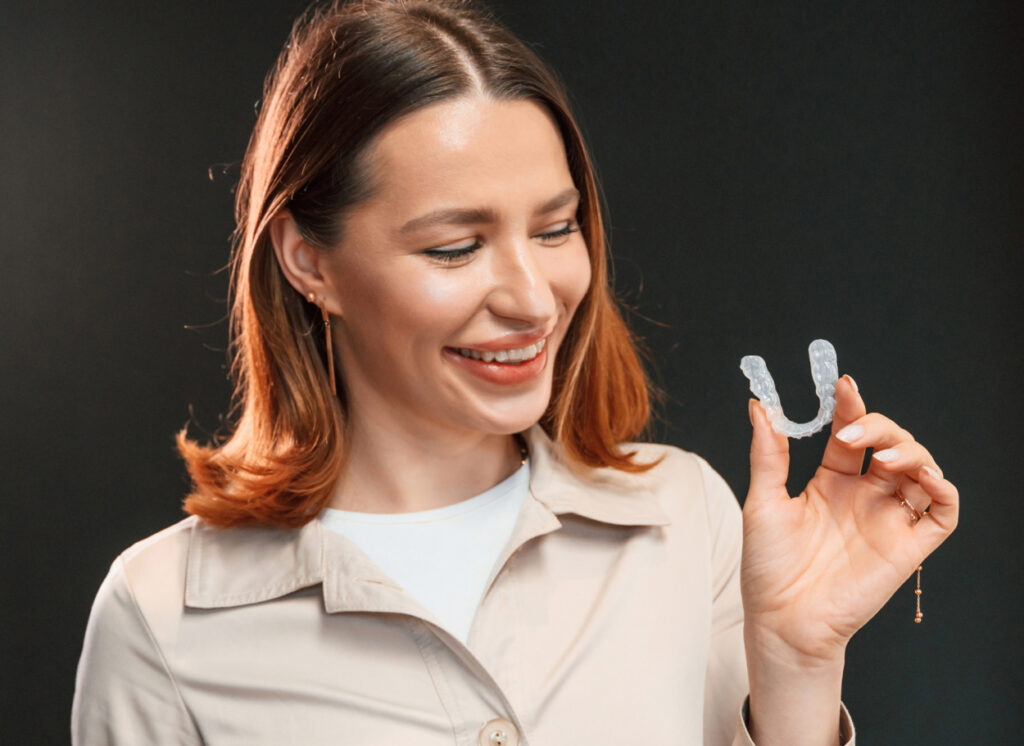
If you are considering clear aligners, one of the first questions you probably have is simple and practical: how long is this going to take? Patients in Calabasas usually ask that before they ask about almost anything else, and it makes sense. Orthodontic treatment affects your calendar, your budget, your routines, and sometimes even how confident you feel at work or in photos.
The short answer is that Invisalign treatment often takes somewhere between 6 and 18 months, though some cases finish sooner and others take closer to 24 months. That range is wide because no two smiles move the same way. A small spacing issue in the front teeth can respond quickly. A more complex bite problem, crowding, rotation, or relapse after past braces usually takes longer.
If you are specifically searching for Invisalign Calabasas CA options, it helps to understand that treatment time is not just about the aligners themselves. It depends on planning, biology, consistency, and the complexity of the tooth movement your dentist or orthodontist is trying to achieve. The aligners are a tool. The timeline comes from how your teeth and jaw respond to that plan.
The timeline most adults can expect
For a healthy adult with mild to moderate alignment concerns, a realistic expectation is often around 9 to 15 months. That tends to cover the majority of cosmetic cases, especially when the goal is to straighten visible front teeth, close small gaps, or relieve moderate crowding.
Shorter cases do happen. I have seen patients finish in as little as 4 to 6 months when the movement needed was limited and the person wore aligners exactly as directed. Those are usually refinements of a previously treated smile, very minor relapse, or small corrections to the upper and lower front teeth.
Longer cases are also common, especially when treatment is doing more than improving appearance. If the aligners need to correct the bite, widen arches, create space, reduce crowding, or coordinate how upper and lower teeth meet, the process can stretch well past a year. When attachments, elastics, or staged refinements are part of the plan, that is not a sign something is wrong. It usually means the provider is addressing the case thoroughly instead of stopping when the smile looks only partly improved.
Teenagers often fall into similar timeframes, but compliance becomes more variable. Adults sometimes assume teens will do better because they are younger. In real life, that is not always true. Adults with work presentations, social events, and financial investment in the treatment often wear aligners more faithfully than teenagers with sports, snacks, and packed schedules. Good habits matter more than age in many cases.
Why one person finishes in six months and another needs eighteen
The most important factor is case complexity. Teeth do not all move with the same difficulty. A simple tilt can be straightforward. A tooth that is rotated, tucked behind another, or positioned high in the gum can be much slower. Bite changes take time because the arches have to work together, not just look straight from the front.
Crowding tends to extend treatment, especially when there is limited room in the arch. To create space, the provider may need to reshape tiny amounts of enamel between certain teeth, a process called interproximal reduction, or stage movements in a precise sequence. Neither of those steps is unusual. They simply reflect that the plan has to be biomechanically realistic.
Spacing can be quicker, but not always. Small gaps close efficiently. Wider spaces, especially those linked to bite patterns or tongue posture, can reopen if retention is not handled carefully. Closing spaces is only part of the job. Keeping them closed matters just as much.
Then there is the bite. Overbites, underbites, crossbites, and open bites often require more sophisticated planning. Some are excellent candidates for Invisalign. Some are better suited to braces, or to a hybrid approach. A responsible provider should be honest about that. Faster is not better if the result is unstable or incomplete.
Biology also plays a role. Bone density, gum health, previous dental work, and how your body responds to orthodontic force can all influence speed. Two patients can wear aligners equally well and still move at different rates. That is normal.
Wearing time is the factor patients control most
If there is one variable that repeatedly changes treatment length, it is wear time. Invisalign is removable, which is both the appeal and the challenge. Most providers recommend wearing aligners 20 to 22 hours per day. That means they should be out only for meals, drinks other than water, brushing, and flossing.
A patient who wears aligners 22 hours a day and changes them on schedule often stays close to the projected timeline. A patient who removes them for long lunches, coffee breaks, social dinners, and weekend events can add months without realizing it. Teeth need sustained force. A few hours off here and there do not feel dramatic, but over weeks they slow tracking.
This is where expectations sometimes drift from reality. People hear that Invisalign is convenient and invisible, and both things are true. But convenience is not the same as low commitment. The treatment is forgiving in appearance, not in discipline.
A common example is the patient who wears aligners faithfully Monday through Thursday, then gets casual on weekends. They pop them out for brunch, leave them out through errands, put them back in before dinner, then remove them again for the evening. That pattern may still feel like compliance, but it can be enough to prevent the trays from fitting exactly as planned. When aligners stop tracking well, the timeline often lengthens.
Your first scan does not equal your finish date
A digital simulation can be extremely helpful, but it should not be mistaken for a guarantee. The projected number of trays offers a useful roadmap, not a promise carved in stone. Teeth are living structures, and real treatment often requires adjustment.
Many patients need refinement trays after their initial series. This is not a failure. It is part of modern aligner treatment. Once the first set of trays is complete, the provider evaluates what has moved exactly as planned and what needs fine-tuning. A second scan is taken, and additional trays are made to polish the result.
In practice, refinements are common even in well-managed cases. A front tooth may need a bit more rotation. The bite may need more settling. A small gap may have nearly closed but not quite. Most experienced providers would rather extend treatment slightly and finish well than stop early with a result that looks acceptable from six feet away but not up close.
That matters in cosmetic dentistry. Small asymmetries become very visible to the person wearing the smile every day.
Appointments in Calabasas tend to be quick, but the plan still needs monitoring
One reason patients like Invisalign in Calabasas is that the office visits are often brief and efficient. Instead of monthly tightening appointments like traditional braces, many Invisalign checkups happen every 6 to 10 weeks. During those visits, the provider checks fit, tooth movement, attachments, oral hygiene, and whether the next sets of trays are tracking correctly.
That convenience can create the impression that treatment is mostly hands-off. It is not. Behind the scenes, your provider is making decisions about sequencing, attachments, IPR if needed, bite corrections, and whether any movement needs to be slowed down or revised. A good Invisalign case feels simple to the patient because the planning is detailed.
In a market like Calabasas, where patients often value aesthetics, discretion, and scheduling flexibility, Invisalign is especially popular with professionals, parents, and older teens. People like that they can remove the aligners for a presentation, a date night, or a family photo. The trade-off is responsibility. If you want the invisible option, you also have to be the one making it work every day.
What tends to speed treatment up
Some habits consistently keep cases on track. These do not guarantee the shortest possible timeline, but they reduce avoidable delays:
- Wear aligners the full recommended hours each day.
- Change trays exactly when instructed, not early and not late.
- Use chewies or seaters if your provider recommends them.
- Keep every monitoring appointment, even if the trays seem to fit fine.
- Address broken attachments or poorly fitting trays right away.
Patients sometimes underestimate the importance of those small details. For example, a missing attachment might seem insignificant because the tray still goes on. In reality, that tiny bonded shape may be what gives the aligner leverage to rotate or extrude a particular tooth. Without it, movement can stall.
The same applies to switching trays too early. It sounds efficient, but it can backfire. Teeth, ligaments, and bone need time to remodel. Pushing ahead before the prior movement has settled can produce fit problems later.
What can drag the process out
Delays rarely come from one dramatic mistake. More often, they come from ordinary inconsistency. Missed days, Invisalign Calabasas CA trays worn only at night, postponing appointments, and not speaking up when something feels off can each add time.
Another common issue is dental work during treatment. If you need a new crown, filling, or other restorative change on a tooth that affects the way the tray fits, the aligner may no longer seat properly. Sometimes that can be managed easily. Sometimes it requires a new scan and additional trays. This does not mean you should avoid necessary dental care. It means your restorative dentist and Invisalign provider need to coordinate.
Travel also comes up often in Calabasas. Busy families, entertainment industry schedules, and frequent work trips can interrupt routines. A patient will say, quite reasonably, that they can still bring the trays while traveling, and of course they can. The trouble usually comes from the meals, events, and long days that make them less likely to put the aligners back in promptly. A week of inconsistent wear during a busy trip can ripple into several extra weeks if the trays stop tracking.
There is also the matter of fit and biology. Some teeth are stubborn. Lateral incisors are notorious for being unpredictable in certain movements. Rotated canines can be slow. Teeth with short clinical crowns may need especially precise tray engagement. Experienced providers expect those issues and build for them, but they can still affect total time.
Mild cases versus moderate and complex cases
Patients often want a cleaner answer than "it depends," so it helps to break treatment into broad categories. These are not rigid promises, but they are useful guideposts.
| Case type | Typical timeframe | What it often includes | |---|---:|---| | Mild | 4 to 8 months | Minor spacing, slight crowding, limited relapse | | Moderate | 9 to 15 months | Noticeable crowding or spacing, several teeth rotating, cosmetic plus bite detail | | Complex | 15 to 24 months | Significant bite correction, major crowding, multiple refinements, elastics or advanced staging |
If your provider gives you an estimate near the longer end, that is not necessarily bad news. It may mean they are being realistic. Short estimates can sound attractive in a consultation, but unrealistic optimism tends to disappoint patients later.
Does Invisalign work faster than braces?
Sometimes yes, sometimes no. For selected mild and moderate cases, Invisalign can be very efficient because the treatment is digitally planned and tray changes happen on a regular cadence. For certain complex tooth movements, traditional braces may still offer more direct control.
That is why the right question is not "Which one is always faster?" But "Which one is more suitable for my teeth and my habits?" A patient with a modest alignment issue and excellent compliance may move beautifully with Invisalign. A patient with severe rotations and poor consistency may finish faster in braces because braces do not come out for dinner.
A thoughtful provider does not force every patient into one system. They match the method to the case.
Refinements are common, and often worth the extra time
This point deserves emphasis because patients sometimes hear "refinements" and assume their treatment went off course. In many cases, refinements are where good becomes excellent. The first series gets the broad changes done. The refinement phase tightens details, improves contacts, levels edges, and settles the bite.
I have seen cases where a patient was objectively 85 or 90 percent improved after the first set of trays, and stopping there would have been acceptable to a casual observer. But the final 10 percent made the smile look balanced rather than merely straighter. It also made the bite feel better when chewing. That extra two or three months was well spent.
This matters if your goal is not just to look better in photos, but to finish with a result that feels stable and intentional.
Retainers begin when active treatment ends
When people ask how long Invisalign takes, they usually mean active tooth movement. But from a clinical perspective, retention starts immediately after that phase, and it determines whether your result lasts.
Teeth have memory. Once they move, the surrounding tissues need time to reorganize. That is why retainers are not optional. Most providers recommend wearing retainers full time at first, then shifting to nighttime wear after a period of stabilization, depending on the case. If patients stop wearing retainers, relapse can happen surprisingly fast, especially in the lower front teeth.
So if you are planning around weddings, work milestones, or a graduation, remember that finishing the last tray is not the end of the story. It is the start of maintenance.
Timing your start around real life
A practical point that often gets overlooked is when to begin. If you know you have a season of frequent travel, major social events, or unpredictable work hours coming up, you may want to discuss that openly at the consultation. Sometimes it still makes sense to start right away. Sometimes waiting a few weeks produces better compliance and a smoother treatment arc.
For example, a patient starting aligners two days before an international trip, a film production schedule, or the holiday season may technically be able to manage it, but the odds of inconsistent wear are higher. On the other hand, some people do best when they start immediately because momentum matters. There is no universal rule here. Good planning is personal.
Questions worth asking at your consultation
If you are evaluating Invisalign Calabasas CA providers, the quality of the consultation matters as much as the estimated timeline. A strong consultation should explain not only how long treatment may take, but why. It should cover whether you are likely to need attachments, IPR, elastics, or refinements. It should also address what happens if you do not track perfectly, and how retainer wear will work afterward.
You do not need a sales pitch. You need a case assessment grounded in orthodontic reality.
Here are a few concise questions that can help:
- Is my case mild, moderate, or complex, and what makes you say that?
- How many months do you realistically expect, including refinements?
- Will I need attachments, elastics, or enamel reduction?
- What could slow my case down specifically?
- How often will you check progress, in person or remotely?
Those questions often reveal a lot. A provider who answers clearly is usually planning carefully. A provider who gives a very short timeline without discussing variables may be oversimplifying.
So, how long does Invisalign treatment take in Calabasas CA?
For most patients, a fair estimate is 6 to 18 months, with many adults landing around 9 to 15 months. Minor cases can finish faster. Complex bite corrections can take longer. The exact number depends on the difficulty of the movement, your provider’s planning, how consistently you wear the aligners, and whether refinement trays are needed to finish the case properly.
That may sound less tidy than a single number, but it is the honest answer. Invisalign is highly effective when it is used for the right case and worn as directed. The patients who finish on time are usually not the lucky ones. They are the ones with a realistic plan, a skilled provider, and steady day-to-day habits.
If you are exploring Invisalign in Calabasas, the smartest next step is a consultation built around your actual teeth, not someone else’s timeline. A personalized estimate will always be more useful than a generic promise, especially when your smile and your schedule both matter.
Oaks Dental
5000 Parkway Calabasas, Suite 308
Calabasas, CA 91302
(818) 643-6521
FAQ About Invisalign Calabasas CA
How many hours a day should I wear Invisalign?
Clear aligners are typically worn for 20 to 22 hours a day. Follow your dentist’s instructions for your specific treatment plan.
What age is best for Invisalign?
Many teens and adults can use clear aligners. A dentist can assess dental development, oral health, and the type of tooth movement needed.
What affects the cost of Invisalign in California?
Cost depends on the complexity and length of treatment and what the quoted plan includes. Ask for an itemized estimate and check any orthodontic coverage with your insurer.