How Invisalign Calabasas CA Can Correct Spacing Issues
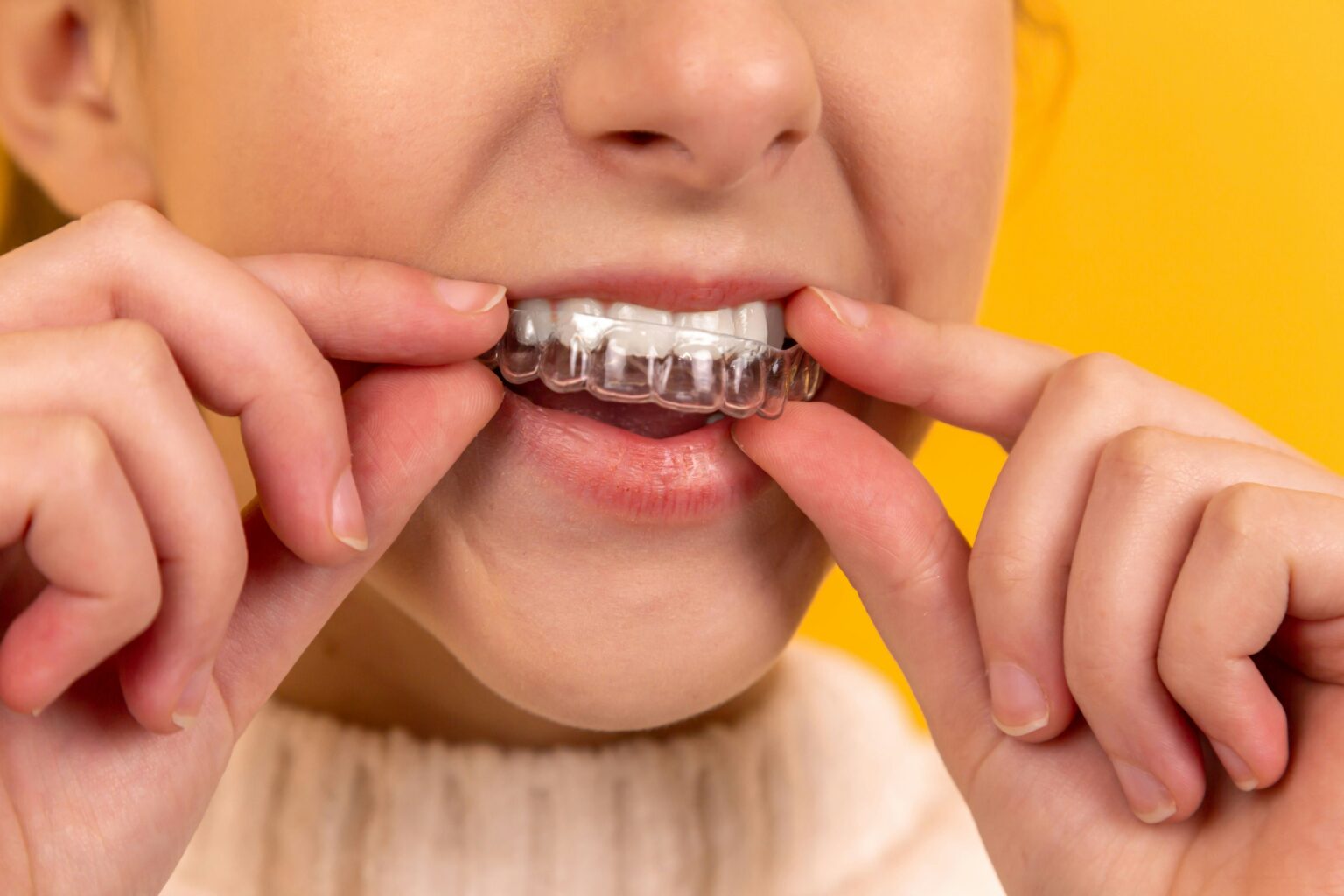
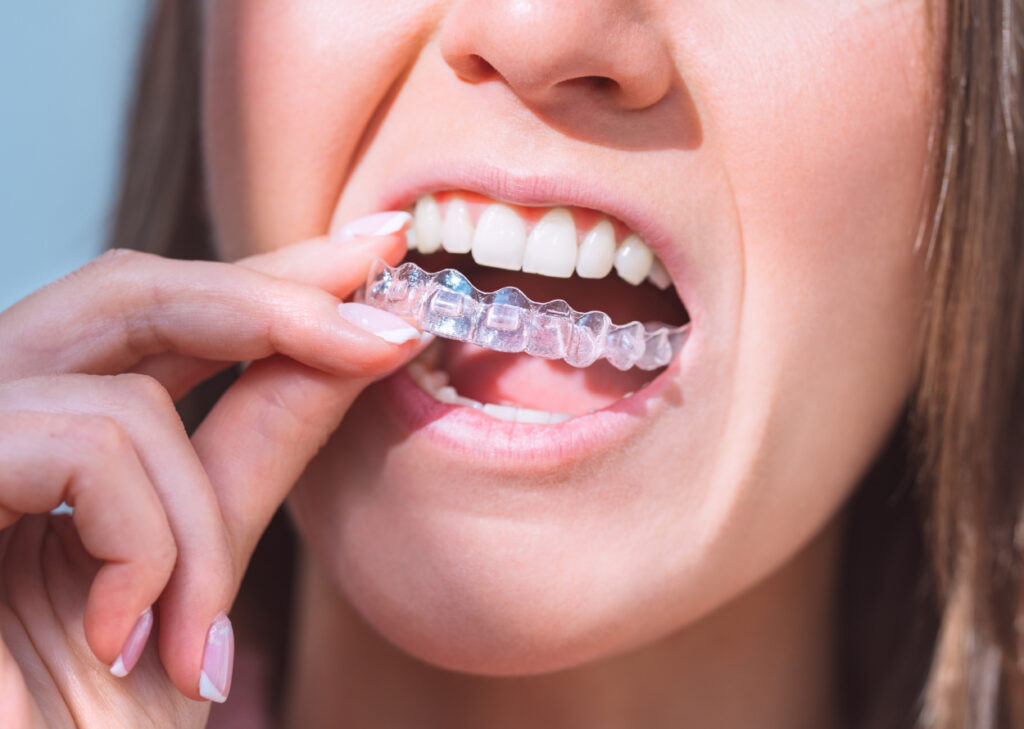
Spacing problems often look simple from the outside. A patient points to a gap between the front teeth, asks whether clear aligners can close it, and expects a quick yes or no. In practice, spaces between teeth can come from several different causes, and the reason behind the gap matters just as much as the size of it. That is why treatment with Invisalign Calabasas CA starts with diagnosis, not with trays.
I have seen patients who only noticed one small space in photos, yet their full exam showed a bite imbalance, missing tooth support in the back, or gum changes that had slowly shifted several teeth forward. I have also seen the opposite, where a person had multiple visible spaces and still turned out to be a straightforward clear aligner candidate. The common thread is this: spacing issues are highly treatable when the plan is built around the biology of the mouth, not just the appearance of the smile.
For many adults in Calabasas, clear aligners appeal for obvious reasons. They are discreet, removable, and generally easier to manage in a work and social setting than braces. For the right spacing case, they can be remarkably precise. The key is knowing what Invisalign can do well, where it needs support from attachments or additional refinements, and when another approach may serve the patient better.
Why spaces form in the first place
A gap between teeth, known clinically as a diastema when referring to certain spaces, is not one single diagnosis. It is a symptom. Teeth can drift apart because the arches are too large for the tooth size, because pressure from the tongue has pushed them outward over time, or because the bite does not bring the teeth together in a stable way. Gum disease can also create movement. So can missing teeth, habits, and natural development.
One of the most familiar examples is the midline gap between the upper front teeth. Sometimes that space is genetic. Sometimes it is related to the shape or position of the frenum, the small band of tissue above the upper front teeth. In younger patients, that space may improve as more teeth erupt. In adults, it often needs active orthodontic movement if the patient wants it closed.
Then there are generalized spacing patterns, where several teeth have room between them. These cases can happen when teeth are naturally smaller relative to the jaw, when there has been previous orthodontic relapse, or when back teeth are not supporting the bite properly. A patient may tell you, “My teeth looked fine after braces years ago, but now the front ones are spreading again.” That story is common, and it usually points to more than simple cosmetic drift.
Spacing can also develop after dental work. If a tooth is extracted and not replaced, nearby teeth may tip or shift. If gum recession and bone loss occur, the lower front teeth in particular can begin to separate or flare. In these cases, treating the gap without addressing the underlying periodontal condition would be a mistake. Clear aligners move teeth well, but they do not fix active gum disease.
How Invisalign actually closes spaces
Invisalign works by applying controlled force through a sequence of custom-made aligners. Each set is designed to move teeth a small amount. For spacing issues, that usually means bringing teeth together in measured increments while maintaining healthy root positioning and a functional bite.
That last part matters more than many patients realize. Closing a gap is not just about sliding the crowns together. Teeth have roots, and stable treatment depends on how those roots line up in the bone. If the crowns touch but the roots remain angled apart, the space is more likely to reopen later. A strong aligner plan accounts for both the visible movement and the root control needed to hold the result.
Attachments often help. These are small, tooth-colored shapes bonded to certain teeth so the trays can grip and guide movement more effectively. Patients are sometimes surprised when they learn that a “nearly invisible” treatment can still involve these details, but attachments are one reason modern clear aligner therapy has become much more capable than earlier versions. They let the aligners manage movements that would otherwise be less predictable.
Interproximal reduction, sometimes called enamel reshaping, may also come into the conversation, though not every spacing case needs it. More often, space closure is about distributing room properly across the arch and coordinating upper and lower teeth. If there is a mismatch in tooth size, a restorative dentist may later add bonding or veneers to perfect proportions after orthodontic alignment. This is especially relevant when the teeth themselves are narrow or worn.
The spacing cases Invisalign handles well
Clear aligners are often an excellent fit for mild to moderate spacing, especially in adults who want treatment that blends into daily life. Small to medium gaps in the front teeth, generalized spacing that does not involve severe bite instability, and relapse after previous braces are all common indications.
I have found Invisalign particularly effective in patients whose spacing is mostly dental rather than skeletal. In other words, if the teeth are the main issue and the jaws are otherwise reasonably balanced, aligners can produce elegant results. The digital planning stage allows the provider to stage movements thoughtfully and to show the patient a projected sequence before treatment starts. That visibility tends to help with motivation and understanding.
Spacing cases can also be satisfying because improvements are often noticeable early. When front teeth begin to come together, patients see progress quickly. That said, visible closure is not the whole treatment. Finishing the bite, refining root positions, and settling the final contacts are where experience counts. The first 70 percent of the transformation may seem fast. The last 30 percent is what makes the outcome look polished and stay stable.
When spaces need a closer look before treatment
Not every gap should be closed immediately, and not every patient with spaces is automatically a candidate for Invisalign. A careful provider will look for red flags before handing over trays.
Here are some of the situations that deserve extra evaluation:
- Bleeding gums, bone loss, or tooth mobility that could point to periodontal disease.
- A tongue thrust or swallowing pattern that keeps pushing front teeth forward.
- Missing teeth or old restorations that have changed how the bite fits together.
- Large spaces linked to mismatched jaw relationships or significant flaring.
- A prominent frenum between the upper front teeth that may affect long-term stability.
These factors do not always rule out clear aligners. They simply change the plan. A patient with active gum issues may need periodontal treatment first. Someone with a tongue habit may benefit from myofunctional therapy alongside orthodontics. If a restorative dentist plans to replace a missing tooth with an implant or bridge, the spacing has to be coordinated carefully so that final tooth positions support the restoration.
This is one reason the phrase Invisalign Calabasas CA should mean more than a location-based search term. Local treatment quality depends on who is planning the biomechanics, how thoroughly the bite is being evaluated, and whether the office recognizes when a spacing issue is really part of a bigger oral health picture.
What the treatment process usually looks like
Most spacing cases begin with records: photos, digital scans, and often radiographs. These help the provider see not only where the spaces are, but also the angulation of roots, the condition of the supporting bone, and the way upper and lower teeth meet. The digital scan is especially useful because patients can visualize their current alignment and understand where the room exists.
From there, a custom treatment plan is created. In a straightforward case, aligners may be changed every one to two weeks, depending on the protocol and how the teeth are responding. Patients generally wear them about 20 to 22 hours a day. That number matters. If trays are worn inconsistently, space closure slows down, tracking becomes less predictable, and refinements become more likely.
A fairly typical spacing case might run anywhere from six months to 18 months, though that is a broad range for a reason. A tiny front gap is different from full-arch spacing with bite correction. I am careful with timelines because patients often hear the shortest estimates and mentally treat them as promises. Real mouths do not always move on ideal software schedules.
Refinement aligners are common and not a sign that treatment failed. They are part of the process in many well-managed cases. Teeth are biologic structures, not pieces on a screen. If one canine lags or a lateral incisor needs a bit more root control, additional trays can fine-tune the finish. Experienced clinicians expect that possibility from the start and explain it clearly.
Why patient habits matter more than most people expect
Spacing cases with Invisalign succeed when the trays are actually in the mouth. This sounds obvious, but it is the practical dividing line between smooth treatment and avoidable frustration. Because aligners are removable, they give patients freedom. That same freedom can undermine results if the trays spend too much time in a napkin during meals, coffee breaks, or social events.
Adults usually do well with compliance when they understand the stakes. If you wear your trays 12 to 14 hours instead of 20 to 22, the biology does not compromise out of politeness. Teeth simply do not move as prescribed. Small gaps may appear to close and then reopen between trays. Attachments may stop fitting the aligner correctly. The patient then assumes the method is flawed, when the real issue was wear time.
A practical routine helps. Most successful patients remove aligners only for meals and brushing, then put them back in right away. They carry a case, a travel toothbrush, and keep spare chewies or seating tools if their office recommends them. It is not glamorous advice, but daily habits matter far more than marketing claims.
Retention is the part patients underestimate
Closing spaces is only half the job. Keeping them closed is the long game. Teeth have memory, and the soft tissues around them exert pressure even after movement is complete. This is especially true for gaps that existed for years, for spacing related to habits, and for cases where the original cause has not fully disappeared.
Retention typically involves clear retainers worn on a schedule recommended by the provider, often full time at first and then nightly for the long term. Some cases also benefit from a bonded retainer behind the front teeth, especially when a midline space had a strong tendency to reopen. There is no universal rule here. The retention plan should reflect the specific reason the spaces formed.
Patients sometimes ask whether retainers are really necessary if the teeth “look done.” The honest answer is yes. Orthodontic stability is maintained, not granted once forever. I have seen beautiful spacing corrections relapse because the patient stopped wearing retainers after a few months. I have also seen highly stable results years later in patients who treated retainer wear as part of normal self-care.
Cosmetic improvement versus functional correction
Some spacing issues are almost entirely cosmetic. Others affect function in subtle ways. Air can escape differently during speech when front spaces are large. Food can trap more easily. The bite may become less efficient if the teeth do not contact where they should. Front teeth can also take more force than they were designed for if the back teeth are not sharing the load.
This distinction matters because patients often start treatment for appearance, then discover secondary benefits they did not expect. Speech can feel cleaner. Flossing may become easier in the right way, not because the spaces are wider but because the contacts become healthier. Smiles photograph better, yes, but the everyday gains are often what make people feel treatment was worth it.
That said, there are trade-offs. Aligners require discipline. Some patients notice temporary lisping during the first days of each tray. Attachments can make the trays more visible up close. If spaces are tied to severe periodontal compromise or major jaw discrepancies, the best solution may involve a combination of specialists rather than aligners alone. A professional discussion should make room for these realities, not gloss over them.
How Invisalign compares with braces for space closure
Braces remain a strong option for many orthodontic problems, including spacing. They offer constant force because they are fixed, and in some complex movements they may give the provider more direct control. So why choose Invisalign for spacing issues when both systems can work?
For many adults, the answer is lifestyle. Clear aligners are easier to remove for brushing, flossing, and important events. In a professional environment, that matters. In a place like Calabasas, where patients often want treatment that fits around public-facing work, family schedules, and social commitments, the low-profile nature of aligners carries real value.
Still, braces may be more suitable in some situations. If compliance is doubtful, fixed appliances eliminate the wear-time variable. If the spacing problem is bundled with severe rotation, extrusion needs, or a complicated bite that demands heavier mechanics, braces can simplify execution. Good orthodontic care is not about selling one tool. It Invisalign Calabasas CA is about choosing the right one.
Cost, value, and what patients should ask
Fees for Invisalign vary by complexity, treatment length, and the experience level of the doctor. A limited case that closes a small gap is not priced the same way as full-arch correction with refinements and retention. Rather than chasing the lowest quote, patients do better when they understand what is included.
A useful consultation should cover a few practical points:
- Whether the spaces are being treated as a cosmetic issue only or as part of bite correction.
- How many aligners are estimated, and whether refinement trays are included.
- What type of retention is planned once the spaces are closed.
- Whether other issues such as gum health, missing teeth, or restorations affect treatment.
- What the office expects from the patient in terms of wear time and follow-up.
These questions often reveal the difference between a superficial plan and a thoughtful one. A low upfront fee can become less appealing if it excludes refinements or retention, or if the diagnosis missed the reason the teeth spaced in the first place.
What makes a good candidate in Calabasas
The best Invisalign candidates for spacing issues are not defined only by the gap size. They are people with healthy gums or a clear periodontal plan, realistic expectations, and the willingness to wear aligners consistently. They also tend to value a careful diagnostic process. The patients who do best are usually the ones who understand that small spaces can have big causes.
In the context of Invisalign Calabasas CA, that means looking for a provider who treats the smile and the bite together. Cosmetic alignment is important, but stable orthodontics depends on function. If the consultation focuses only on making the front teeth touch in a digital preview without discussing retention, tongue posture, gum support, or restorative needs, it is worth asking deeper questions.
Spacing correction can be one of the most rewarding forms of orthodontic treatment. The visual change is often clean and dramatic, Invisalign Calabasas CA oaksdentistry.com yet the real success lies beneath the surface, in root position, tissue health, and long-term stability. Clear aligners can handle that job very well when the case is chosen wisely and the plan is built with precision.
For patients bothered by gaps in their smile, the encouraging news is that many of these cases respond beautifully to Invisalign. The more important news is that the best results come from treating the cause, not just the space. When that happens, the trays do more than close a gap. They restore balance.
Oaks Dental
5000 Parkway Calabasas, Suite 308
Calabasas, CA 91302
(818) 643-6521
FAQ About Invisalign Calabasas CA
How many hours a day should I wear Invisalign?
Clear aligners are typically worn for 20 to 22 hours a day. Follow your dentist’s instructions for your specific treatment plan.
What age is best for Invisalign?
Many teens and adults can use clear aligners. A dentist can assess dental development, oral health, and the type of tooth movement needed.
What affects the cost of Invisalign in California?
Cost depends on the complexity and length of treatment and what the quoted plan includes. Ask for an itemized estimate and check any orthodontic coverage with your insurer.