Dental Implants Calabasas CA: Tips for a Smooth Recovery
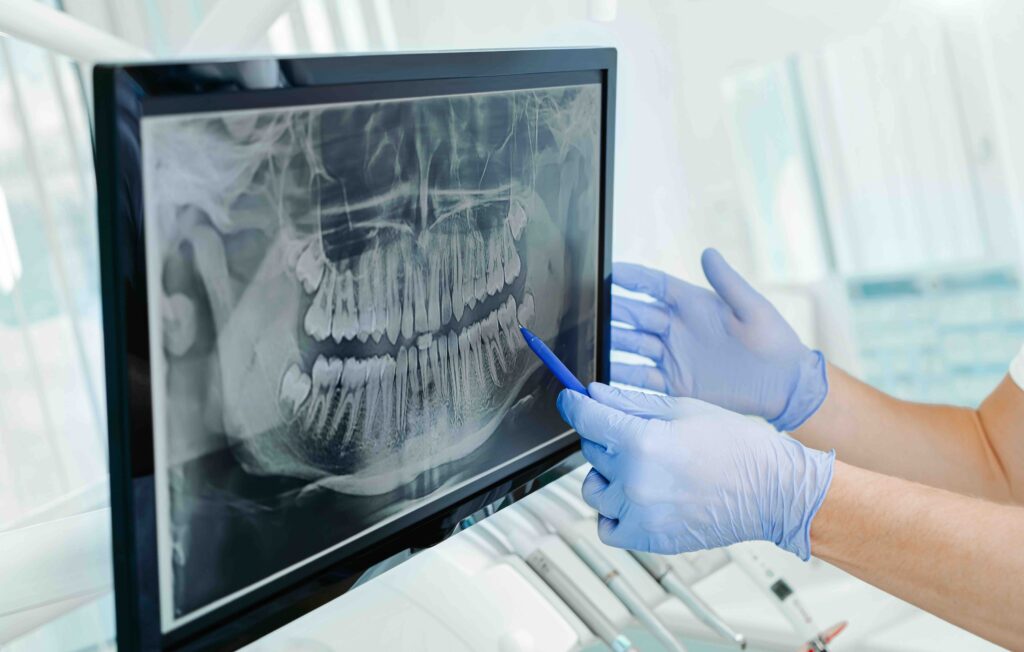
Getting dental implants is rarely just about replacing a missing tooth. For most people, it is about eating comfortably again, speaking without self-consciousness, and not having to think twice before smiling in a photo. The procedure itself matters, of course, but recovery is where many patients either set themselves up for a smooth result or make the process harder than it needs to be.
In practices serving patients looking for Dental Implants Calabasas CA, one pattern shows up again and again. The people who recover best are not necessarily the youngest or the healthiest. They are often the ones who understand what healing actually feels like, follow instructions closely, and know when something is normal versus when it deserves a phone call to the office.
Recovery after implant placement is usually manageable. It is not effortless, and it should not be treated casually, but it is very often less dramatic than people expect. Most patients can return to normal routines fairly quickly, with some careful adjustments in the first few days and continued attention over the next several weeks. The key is knowing what your body needs at each stage.
What recovery really involves
A dental implant is placed into the jawbone, usually under local anesthetic and sometimes with additional sedation depending on the case. After placement, the bone and implant begin a biologic process called osseointegration. That simply means the surrounding bone gradually bonds to the implant surface and stabilizes it.
From a patient’s point of view, this creates two overlapping recoveries. There is the short-term healing that follows surgery, which includes swelling, tenderness, and changes in eating and oral hygiene. Then there is the longer-term integration period, which is quieter but just as important. A person can feel fairly normal within days and still need months for full internal healing.
That distinction matters because people often judge recovery by pain alone. If it does not hurt much after day three or four, they assume they are done healing. In reality, the visible part improves first. The hidden part, Dental Implants Calabasas CA the bone response, takes longer and demands patience.
The first 24 hours set the tone
The day of surgery is not the time to “push through.” Patients who try to run errands, take work calls, or eat whatever sounds good by evening often end up more swollen, more sore, and more anxious than they needed to be.
The immediate goals are straightforward: protect the surgical site, keep bleeding under control, minimize swelling, stay hydrated, and get ahead of discomfort before it ramps up. A little oozing is common in the first several hours. Bright red heavy bleeding that fills the mouth is not. Most of the time, rest, gauze pressure, and avoiding spitting or vigorous rinsing are enough to keep things stable.
Cold compresses can make a meaningful difference during this early window. They are not magic, but they help reduce swelling if used consistently. Medications matter too. If your surgeon prescribed antibiotics, anti-inflammatory medication, or a stronger pain reliever, timing matters. People tend to wait until discomfort becomes obvious, then try to catch up. That is usually a mistake. The first night is easier when pain control is proactive.
One common problem in Southern California, especially for active adults, is dehydration. Patients often avoid drinking because their mouth feels strange or numb. That can make them lightheaded, cranky, and more prone to headaches. Small, frequent sips are better than waiting until you feel thirsty.
What normal healing looks like
Many patients feel reassured when they know what is ordinary. Mild to moderate swelling, tenderness when chewing nearby, slight bruising, and a sense of pressure are all common. If a tooth was removed at the same time as implant placement, the area may feel more dramatic than a simple implant placed into a healed site. Bone grafting can also lengthen the recovery curve.
A patient in good health who has one straightforward implant placed may be back at a desk job the next day, though not always comfortably. Someone having multiple implants, grafting, or sinus work often needs more downtime. There is no prize for recovering on someone else’s timeline.
The second or third day is often the peak for swelling and soreness. That catches people off guard. They assume day one will be the worst. Sometimes it is, but often the body’s inflammatory response builds before it settles. If you know that in advance, you are less likely to worry unnecessarily.
Stitches can create their own nuisance. They may feel tight, catch on the tongue, or become annoying as tissues begin to contract. Dissolving sutures do not always disappear on the schedule patients imagine. Some loosen early, some linger. Both can be normal.
Eating without disrupting the site
Food choices make a larger difference than many patients expect. The surgical area does not need “exercise” to heal. It needs protection. The early diet should be soft, cool to lukewarm, and low effort to chew.
This does not mean you are limited to pudding and smoothies for weeks. It means the first several days should be strategic. Yogurt, scrambled eggs, oatmeal that has cooled, soups that are not hot, mashed vegetables, cottage cheese, soft fish, tofu, pasta, and rice can all work well depending on comfort. If you are wearing a temporary restoration, your surgeon may have more specific instructions about what not to bite.
Foods that seem harmless can cause trouble. Rice and seeds get lodged in wounds. Crunchy bread, chips, and nuts can traumatize tissues. Spicy foods bother some people far more than they expect. Hot coffee on the first day is a frequent regret. Temperature, texture, and chewing force all matter.
A simple rule helps: if you need to test whether the area can handle a food, it is probably too soon for that food.
The habits that protect healing
The details below are basic, but they prevent most avoidable setbacks.
- Take medications exactly as directed, especially during the first two or three days.
- Keep the area clean, but do not scrub the surgical site or rinse aggressively.
- Sleep with your head slightly elevated for the first couple of nights if swelling is expected.
- Stick to softer foods longer than your appetite suggests.
- Call your dental office if pain, swelling, or bleeding suddenly worsens after initially improving.
That last point deserves emphasis. Healing usually moves in the right direction, even if not perfectly smoothly. A sharp reversal, especially several days in, is worth attention.
Oral hygiene without overdoing it
People tend to split into two camps after implant surgery. One group is afraid to go near the site and lets plaque accumulate. The other goes after the area with a toothbrush as if determination alone will speed healing. Neither approach helps.
Cleanliness matters because bacteria love stagnation, especially around sutures and healing tissues. But newly operated tissues are fragile. Most surgeons advise gentle brushing of the surrounding teeth while avoiding direct trauma to the implant site for the first period they specify. Saltwater rinses or a prescribed antimicrobial rinse are common, though the timing and frequency depend on the case.
A practical example: if the implant is in the back of the lower jaw, food may collect there simply because the cheek and tongue move differently while you protect the area. That can create a stale taste or mild irritation. Gentle rinsing after meals often helps more than brushing harder.
If a temporary crown was placed right away, hygiene becomes even more specific. The shape of that temporary affects how floss can or cannot be used. Patients should never guess. A quick demonstration in the office prevents the kind of enthusiastic flossing that dislodges a temporary restoration.
Smoking, vaping, alcohol, and why recovery can stall
Tobacco remains one of the clearest risk factors for slower healing and implant complications. Nicotine constricts blood vessels, which reduces the blood flow tissues need to repair themselves. Smoking also adds heat and chemical irritation at the exact time the surgical site is most vulnerable.
Vaping is not a free pass. Patients sometimes treat it as harmless because there is no smoke smell and less visible residue. But nicotine delivery, suction, and local irritation can still interfere with healing. Heavy alcohol use is another issue, especially in the early post-operative phase, when it can worsen dehydration, interfere with medications, and disturb clot stability.
Some patients hear this advice and think the concern is long-term implant survival only. The early phase matters just as much. A site that becomes inflamed, dry, or poorly perfused in the first week is more likely to become a difficult recovery.
Exercise and activity, especially in an active community
This topic comes up constantly with patients in Calabasas. People here are often committed to fitness routines, hiking, cycling, strength training, yoga, tennis, and group classes. That is excellent for overall health, but after surgery, intensity can work against you.
The issue is not that exercise is inherently bad. It is that elevated blood pressure and heart rate can increase bleeding and throbbing, while straining or clenching can aggravate the surgical area. Even activities that seem gentle can be less gentle when they involve inversions, pressure changes, or jaw tension.
Most patients do better when they take a short, intentional pause. Walking is usually reasonable fairly soon. A heavy lower-body workout the next morning is usually not. One patient may feel almost normal after 48 hours and still notice the site throbbing during a spin class. That is a useful signal, not a challenge to overcome.
When in doubt, return to activity gradually. If movement increases pulsing, swelling, or soreness, scale back another day or two.
When bone grafting changes the experience
Not every implant case is the same. If you needed a bone graft, sinus augmentation, or extraction with immediate implant placement, expect recovery to have more variables. That does not mean it will be bad. It means the tissue and bone architecture needed more support, and healing may feel less predictable.
Bone graft particles can sometimes migrate slightly or feel like grit in the mouth. That can alarm patients, but a small amount is not always a sign of failure. Swelling can also be more pronounced after grafting, particularly in upper back areas near the sinus.
Sinus-related procedures deserve special caution. Pressure changes from forceful nose blowing, hard sneezing with the mouth closed, or aggressive sucking through a straw can create problems. The surgeon’s instructions in these cases are not generic. They are based on anatomy, and they matter.
Temporary teeth and the temptation to “test” them
Immediate temporary teeth can be a major confidence boost. They let patients leave the office without a visible gap, which is especially important for front teeth. But they create one of the most common recovery mistakes: people assume that if a temporary tooth looks real, it should function like a real tooth.
That is not what it is for.
A temporary restoration often serves cosmetic and tissue-shaping purposes while keeping load off the implant during integration. Biting directly into a sandwich, tearing food, or chewing something dense can put stress on a healing implant that is not ready to take it.
Front-tooth cases are especially tricky because speech and appearance improve quickly, which creates false confidence. Patients may feel so normal that they forget they are still in a protected phase. Many implant setbacks happen not because the surgery went poorly, but because recovery went too casually.
Sleep, stress, and the overlooked basics
Most post-operative advice focuses on the mouth, but the body heals as a whole. Poor sleep, high stress, skipped meals, and dehydration do show up in recovery, even if they are not as visible as swelling.
Sleep disruption is common after surgery, especially if you are a side sleeper and the treated area is tender. Some people clench more when stressed, which can increase soreness around an implant site, especially in the molar region. If you know you grind or clench, mention it before treatment. Protective planning is often possible.
Stress also distorts perception. A perfectly ordinary twinge can feel alarming at 11 p.m. When you are overtired and Googling symptoms. This is one reason good post-op communication from the dental office matters so much. Patients recover better when they know what to expect and where to reach someone if something feels off.
Warning signs that deserve a call
Most implant recoveries are uneventful, but some symptoms should not be brushed aside.
- Fever that persists or rises after the first day
- Swelling that worsens significantly after several days instead of easing
- Strong foul taste, pus, or obvious signs of infection
- Pain that becomes sharp or severe after an initial period of improvement
- A feeling that the implant or temporary tooth is moving
“Movement” is an important word here. Normal tissues move. Lips, cheeks, stitches, and temporary materials can all feel odd. But the implant fixture itself should not feel loose. Patients do not always distinguish between those sensations easily, so if something seems unstable, it is worth reporting.
How long recovery takes, realistically
There is the answer people hope for, and there is the answer that helps them plan. The useful answer is this: soft tissue recovery often improves substantially within one to two weeks, while full integration of the implant with bone commonly takes several months. That range depends on location, bone quality, grafting, medical history, and how much force the area is exposed to.
Lower jaw implants often integrate differently from upper jaw implants because bone density differs. Front regions can have different cosmetic demands than back regions. A healthy nonsmoker with good bone and a single uncomplicated implant may progress faster than a person managing diabetes, periodontal disease history, or multiple-site reconstruction.
That does not mean the second patient cannot have an excellent outcome. It means their recovery plan should be more deliberate, and their expectations should match the biology.
Questions worth asking before you go home
A smoother recovery often starts before the surgery ends. Patients remember surprisingly little once they are numb, tired, or sedated. Written instructions help, but the best recoveries usually involve a few clear, personalized answers before leaving the office.
Ask when you can brush the site normally, what foods are safest in your specific case, whether your temporary tooth has any bite restrictions, what level of swelling is expected, and what number to call after hours if you are concerned. If you have travel plans, a public speaking event, a workout routine you do not want to disrupt, or medications prescribed by another physician, say so before surgery day. Those details change recommendations.
This is especially relevant for patients seeking Dental Implants Calabasas CA, where work schedules, social demands, camera-facing jobs, and active lifestyles can influence recovery choices. A person who has to be in meetings the next morning may need different preparation than someone who can spend two quiet days at home. Good planning is not indulgent. It is practical.
The role of follow-up care
The implant procedure is not a one-appointment story, even when the surgery itself feels straightforward. Follow-up visits allow the surgeon or restorative dentist to check tissue response, remove or assess sutures, evaluate the temporary if one was placed, and make sure the site is progressing as expected.
Patients sometimes skip these visits because they feel fine. That can be shortsighted. Not every issue causes pain early. Bite pressure, hygiene challenges, temporary crown contours, and tissue irritation can often be spotted and corrected long before they become larger problems.
Once the implant is restored with the final crown, recovery shifts into maintenance. The implant may not decay the way a natural tooth can, but the surrounding tissues can still become inflamed. Peri-implant disease is a real concern, particularly in patients with a history of gum disease or inconsistent oral hygiene. Long-term success depends less on luck than on maintenance and monitoring.
A smooth recovery is usually a disciplined one
Dental implant recovery tends to go best when patients take it seriously without becoming fearful. That balance matters. The mouth is resilient, and modern implant treatment is highly routine in experienced hands, but healing still follows biology, not optimism.
Rest when you are told to rest. Eat conservatively for longer than feels exciting. Keep the area clean without turning hygiene into a contact sport. Do not use temporary comfort as proof that the implant is ready for normal function. And if something changes in a way that seems unusual, ask.
That is the practical side of a smooth recovery. Not a miracle trick, not a secret supplement, just careful habits repeated at the right time. For most people, that is enough to turn a stressful procedure into a very manageable phase, and ultimately into a result that feels natural, stable, and worth the effort.
Oaks Dental
5000 Parkway Calabasas, Suite 308
Calabasas, CA 91302, United States
Phone: +1 (818) 412-8349
FAQ About Dental Implants Calabasas CA
How much does a dental implant cost in California?
Costs vary with the number of teeth replaced, restoration type, imaging, and any extractions or bone grafting. Request an itemized estimate after an examination; a single advertised price may not include every treatment stage.
Can people with autoimmune disease get dental implants?
Some people may qualify, but the condition, medications, oral health, and healing risks require individual assessment. Share your medical history with your dentist, who may coordinate with your treating physician.
Can you have dental implants if you have osteopenia?
Osteopenia does not by itself establish whether implants are suitable. Your dentist must evaluate jawbone support and review bone-related medications and other risks before recommending treatment.