Dental Implants Calabasas CA and Personalized Treatment Options
Losing a tooth changes more than a smile. It affects chewing, speech, confidence, and, over time, the health of the jaw itself. Patients often arrive focused on the visible gap, but the real conversation usually goes deeper. They want to know whether implants Dental Implants Calabasas CA will feel natural, whether the process will be painful, how long treatment will take, and whether their specific health history makes them a good candidate. Those are the right questions, because no two implant cases are truly identical.
When people search for Dental Implants Calabasas CA, they are usually not looking for a generic answer. They are trying to solve a personal problem. A front tooth broken in a cycling accident presents very different challenges than several missing molars after years of wear, gum disease, or old dental work. Personalized planning matters because implants are not a one-size-fits-all service. The long-term success of treatment depends on anatomy, bite forces, gum condition, bone volume, healing capacity, and the patient’s priorities.
The good news is that implant dentistry has become remarkably adaptable. Patients who once would have been told to settle for removable appliances often have better options today, provided those options are selected carefully and executed with discipline.
Why implants are treated differently than bridges or dentures
A dental implant replaces the root of a missing tooth, not just the visible crown. That distinction matters. Traditional bridges rely on neighboring teeth for support, which may require reshaping healthy enamel. Removable dentures can restore appearance and some function, but they rest on the gums and do not stimulate the jawbone in the same way a tooth root does.
Once a tooth is lost, the surrounding bone begins to remodel. In practical terms, that usually means gradual bone loss over time. This is one reason the face can appear to change after years of missing teeth. The implant, when it integrates well with the bone, helps maintain structure in a way other options cannot fully match.
That does not mean implants are automatically the best answer for every patient. A bridge may be more appropriate if adjacent teeth already need crowns. A removable prosthesis may still be the most realistic plan for someone managing extensive tooth loss and financial constraints. Good Dental Implants Calabasas CA dentistry is not about forcing a premium option into every case. It is about matching the treatment to the patient’s biology, habits, and goals.
What “personalized treatment” really means
Personalized treatment is not a marketing phrase when it is done properly. It means the plan changes based on findings, not preferences alone. A patient with dense bone in the lower jaw and excellent gum health may move through treatment more quickly than someone with a thin upper ridge and a history of periodontal disease. A younger patient replacing one tooth after trauma may need a different esthetic strategy than an older adult restoring several posterior teeth for function.
In a well-run implant evaluation, several variables come into play at once. The dentist studies bone height and width, the condition of the gums, the position of nearby teeth, and the way the upper and lower arches meet. Existing clenching or grinding is a major factor. So is smoking. So is diabetes control. Even sinus anatomy can shape the plan when upper back teeth are involved.
A personalized approach also means asking what the patient values most. Some care most about speed. Others care about avoiding a removable temporary. Some want the least invasive route possible. Others prioritize the most durable long-term design even if it takes more stages. Those goals should be part of the treatment plan, not an afterthought.
The first appointment is often more revealing than patients expect
An implant consultation is not just a glance at the missing tooth and a quote. The strongest evaluations are investigative. They often include a detailed clinical exam, digital imaging, and a review of medical history that goes beyond checkbox dentistry.
A patient may come in convinced they need a single implant, only to learn that the neighboring tooth has a crack and the bite is unstable. Another may assume they are not a candidate because they were told years ago that they lacked bone, then find that grafting or a revised implant position opens the door to treatment. I have seen both scenarios play out repeatedly in real practice settings. The difference usually comes down to careful planning rather than broad assumptions.
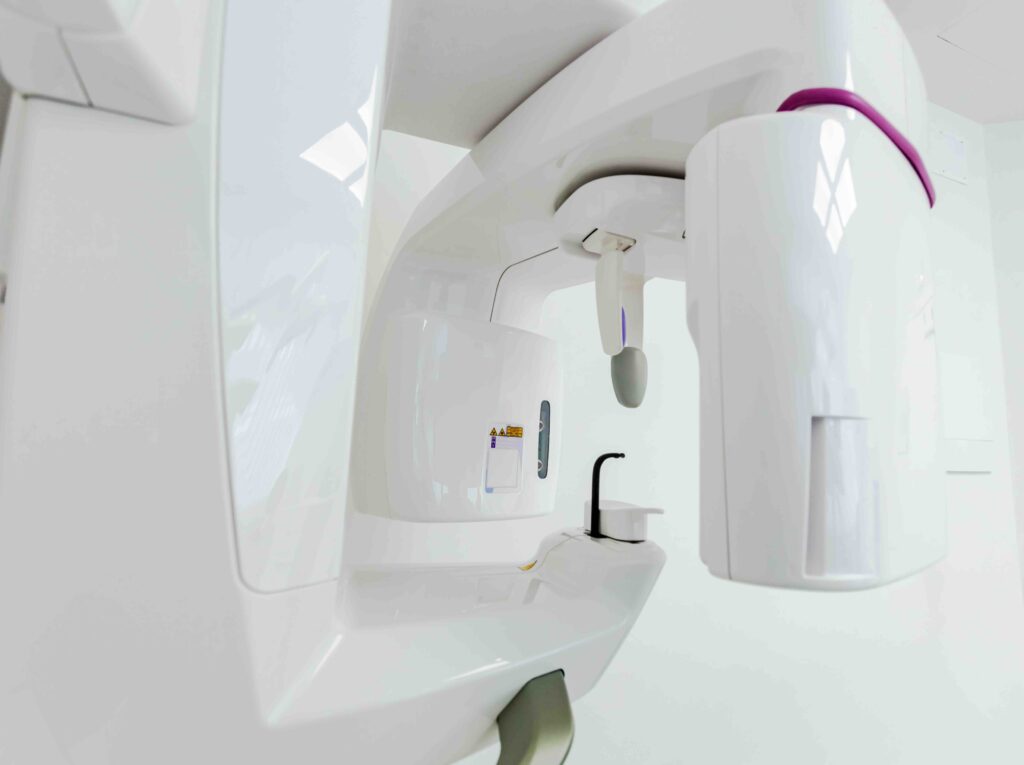
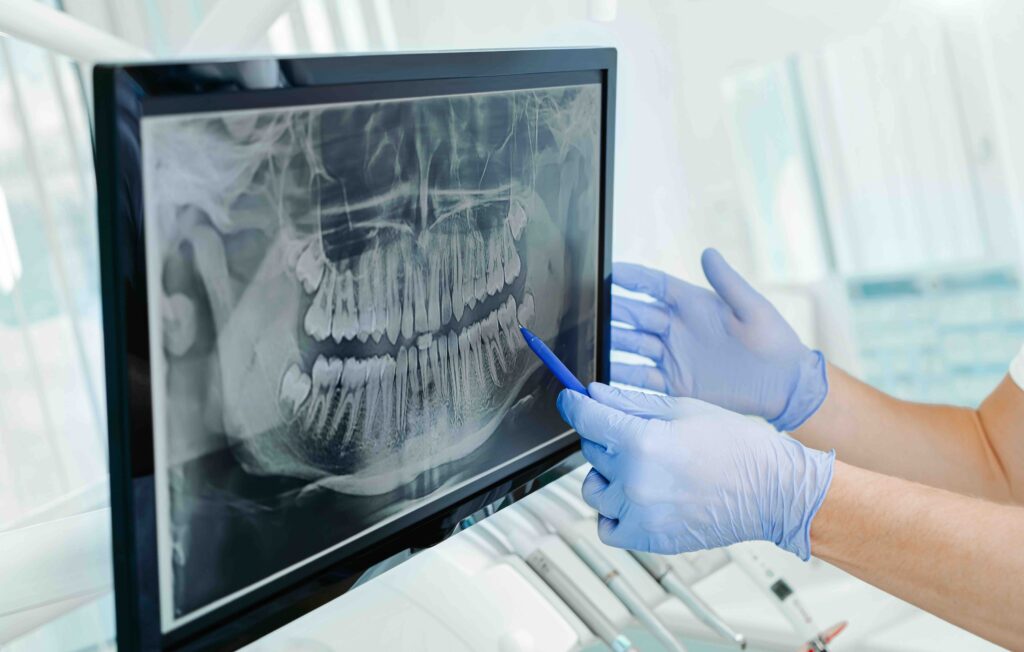
Cone beam imaging, when indicated, has changed the quality of implant diagnostics. It allows the clinician to evaluate three-dimensional bone volume and identify structures like nerves and sinus spaces with far more precision than a basic two-dimensional film. That precision matters because millimeters count in implant placement.
Single tooth replacement versus full-arch rehabilitation
Replacing one missing tooth is often the most straightforward implant case, but even that can vary. In the front of the mouth, esthetics dominate the conversation. The gum contour, tissue thickness, and shape of the final crown all need meticulous attention. In the back of the mouth, function often takes the lead. A molar implant may endure heavy chewing forces, especially in patients who grind at night.
Full-arch cases are more complex and more transformative. A patient missing most or all teeth may be considering fixed implant-supported teeth rather than a conventional denture. These cases can dramatically improve stability and confidence, but they require thoughtful sequencing, restorative design, and long-term maintenance planning. The work does not end when the implants are placed. In many ways, that is just the structural beginning.
A common misconception is that more implants always means a better result. In reality, the right number depends on bone availability, prosthetic design, and load distribution. The best treatment plans are efficient without being minimalistic to the point of compromise.
Timing matters more than many people realize
Patients often ask whether they should place an implant immediately after extraction or wait several months. The answer depends on local conditions. Immediate placement can be an excellent option in the right case, particularly when infection is controlled, the bone walls are intact, and the implant can be stabilized well. It can reduce the number of surgical stages and help preserve tissue contours, especially in visible areas.
Still, immediate treatment is not always the wiser choice. If the site has significant infection, deficient bone, or a thin gum profile, delaying placement and managing the ridge first may produce a more predictable long-term result. This is one of those moments where personalized treatment proves its value. Faster is not always better. Better is better.
Healing timelines also vary. Some implants can receive a tooth much sooner than patients expect, while others need a more conservative integration period. Bone quality, implant stability, grafting needs, and bite forces all influence the schedule. A patient with excellent lower jaw bone may heal differently from someone receiving an upper implant with simultaneous grafting.
Bone grafting is common, and often less intimidating than it sounds
Bone grafting makes many patients nervous, usually because the phrase sounds major. In practice, grafting ranges from quite small and routine to more involved, depending on the defect. Sometimes the graft is placed at the time of extraction to preserve the socket. Other times it is needed before or during implant placement to build support where bone has thinned.
The purpose is not to add unnecessary treatment. It is to create a more stable foundation and improve the long-term prognosis of the implant and the gum architecture around it. Without adequate support, even a well-placed implant can become a compromise.
Upper molar areas deserve special mention because of the sinus. After a tooth has been missing for some time, the sinus floor may sit too low for implant placement. In those cases, a sinus augmentation may be considered. Patients often hear that term and imagine a dramatic operation. In reality, many sinus lifts are planned, controlled procedures performed to gain the few extra millimeters needed for secure implant support.
Gum health can make or break the result
People often focus on bone and overlook the gums. Yet healthy, stable soft tissue is essential for esthetics, comfort, and long-term maintenance. If the gums are inflamed or the patient has untreated periodontal disease, implant treatment should not be rushed.
An implant is not immune to the same oral environment that damaged natural teeth. Bacteria, plaque accumulation, and poor home care can still lead to inflammation around implants. Peri-implant disease is real, and prevention is far easier than managing it after the fact.
For some patients, especially those with recession or thin tissue, soft tissue grafting improves both resilience and appearance. This is especially relevant in the smile zone, where tiny asymmetries become visually obvious. The best-looking implant restorations tend to be the ones where both the bone and the gum tissue were respected from the beginning.
How medical history changes the plan
A thorough medical review is not a formality. It shapes treatment. Patients with well-controlled diabetes can often do very well with implants, but blood sugar management matters because healing depends on it. Smokers face higher risks, including delayed healing and complications affecting bone and gums. Autoimmune conditions, osteoporosis medications, past radiation therapy, and certain heart conditions may also influence timing, surgical approach, or candidacy.
That does not mean patients with health issues are automatically disqualified. It means the planning becomes more nuanced. Sometimes the right move is to coordinate with a physician, adjust the surgical sequence, or allow more healing time. Personalized treatment is often less about saying yes or no and more about determining how to proceed safely and predictably.
The role of digital planning and guided placement
Digital workflow has improved implant treatment in ways patients can appreciate even if they never see the software. By combining scans, photographs, bite records, and three-dimensional imaging, the dentist can plan the implant around the final tooth position rather than simply placing a fixture where bone seems most available.
That distinction is important. The best implant position is not just surgically possible. It is restorative, functional, and maintainable. When digital planning is used well, it helps the team anticipate angulation, spacing, depth, and esthetic contours before surgery begins.
In selected cases, surgical guides add another layer of precision. They are not mandatory for every implant, but they can be very useful when anatomy is tight, multiple implants need coordination, or the restorative demands are high. Technology does not replace judgment. It supports it.
What patients usually want to know about discomfort
Most patients expect implant surgery to be more painful than it actually is. The anticipation tends to be worse than the recovery. For straightforward placements, discomfort is often described as manageable soreness rather than severe pain, especially when the procedure is planned carefully and post-operative instructions are followed.
That said, not all surgeries feel the same afterward. A single implant in healthy bone is one experience. Multiple implants with grafting is another. Swelling tends to peak in the first couple of days and then improve. Temporary diet modifications, careful hygiene, and rest make a real difference.
Patients who have lived through repeated problems with a failing tooth often tell a similar story after treatment: the implant process felt more organized and less distressing than the months or years of uncertainty that came before it.
Temporary teeth and daily life during treatment
A common source of anxiety is not the surgery itself but the period between stages. People worry about showing up to work, speaking clearly, or smiling during healing. The answer depends on the location of the implant, the initial stability, and the overall treatment plan.
For visible front teeth, temporary solutions are often arranged so the patient is not left with an obvious gap. These can range from removable appliances to bonded temporary teeth or provisional restorations in carefully selected cases. For back teeth, the transition is often simpler because esthetics are less critical and avoiding pressure on a healing implant may matter more.
Setting expectations here is part of good care. Temporary teeth are exactly that, temporary. They serve a purpose, but they usually do not feel identical to the final restoration. Patients do better when they understand that the refined esthetics and bite adjustment come later in the process.
Choosing among implant treatment options
There is rarely just one acceptable route. A patient replacing several teeth may be deciding between individual implants, an implant bridge, or a removable prosthesis with implant support. Each option has trade-offs involving cost, cleaning difficulty, surgical complexity, and long-term maintenance.
Here are a few common decision points patients weigh during planning:
- whether to replace every missing tooth individually or support a bridge with fewer implants
- whether esthetics or chewing efficiency is the top priority in the earliest phase
- whether to stage treatment over time or complete a larger rehabilitation in one coordinated plan
- whether bone grafting now may lead to a stronger, more natural result later
- whether nightly grinding calls for a more protective restorative design
These choices are not just financial. They affect biomechanics, hygiene access, and durability. The best recommendations are the ones that explain not only what can be done, but what is likely to hold up well under the patient’s actual habits.
Maintenance is where many long-term results are won or lost
Once the final crown, bridge, or full-arch restoration is delivered, patients often feel finished. Clinically, they are entering the maintenance phase, which is every bit as important as surgery. Implants need consistent care, professional monitoring, and sensible habits.
Unlike natural teeth, implants cannot decay, but the tissues around them can absolutely become inflamed. Poorly controlled plaque, smoking, missed maintenance visits, and unmanaged grinding can shorten the life of the restoration or create expensive complications. Small issues caught early are usually manageable. Neglected issues become far more difficult.
A practical maintenance routine usually includes the following:
- home cleaning methods tailored to the restoration design
- regular professional evaluations and hygiene visits
- bite checks if the patient clenches or grinds
- prompt attention to looseness, soreness, or changes in chewing
- replacement of protective night guards when they wear down
This is where personalization returns again. A patient with a single implant and excellent hygiene may need something different from a full-arch patient with a complex prosthesis and heavy bite forces. Maintenance should reflect risk, not follow a generic script.
Cost conversations should be honest and specific
Implant treatment is an investment, and patients deserve clarity. Broad price talk without context is not very helpful because costs vary according to the number of implants, the need for grafting, imaging, temporary restorations, sedation, and the type of final prosthesis. A single straightforward implant with a crown is a very different undertaking from a grafted anterior case or a full-arch restoration.
The better way to approach cost is to understand what is included and what is likely to arise at each stage. Patients should know whether the estimate covers the surgical placement, abutment, final crown, provisional work, imaging, and follow-up visits. They should also ask what contingencies could change the fee, such as additional grafting or replacement of an unstable temporary.
A well-explained treatment plan tends to reduce anxiety because it replaces uncertainty with sequence. Even when the number is significant, patients often feel more comfortable when they understand the reason behind each component.
Why local context matters in Calabasas
Patients seeking Dental Implants Calabasas CA often expect not only technical competence but a practice style that respects time, appearance, and discretion. Many are balancing treatment with demanding work schedules, public-facing careers, or active family lives. That means planning has to account for practical realities like social downtime, appointment coordination, and temporary esthetics.
Calabasas patients also tend to ask detailed questions, which is a good thing. They want to compare options, understand materials, and know how the final result will age. The strongest implant practices welcome that level of scrutiny. Implant dentistry is at its best when it is collaborative, transparent, and tailored rather than rushed.
A good treatment plan should sound thoughtful, not sales-driven
Patients can usually sense the difference between a clinician who is solving a problem and one who is reciting a package. A thoughtful plan acknowledges uncertainties, explains alternatives, and sets realistic expectations. It does not promise perfection. It promises method.
That is especially important in implant dentistry because success is cumulative. It comes from diagnosis, site preparation, surgical execution, restorative design, and maintenance all working together. If any one of those phases is treated casually, the case becomes harder than it needed to be.
For patients exploring Dental Implants Calabasas CA, the most valuable next step is not finding the fastest answer. It is finding a team that evaluates the whole picture, explains the trade-offs clearly, and builds a treatment plan around the person, not just the missing tooth. When that happens, implants can do what they are meant to do, restore function, preserve structure, and let the smile feel like part of you again.
Oaks Dental
5000 Parkway Calabasas, Suite 308
Calabasas, CA 91302, United States
Phone: +1 (818) 412-8349
FAQ About Dental Implants Calabasas CA
How much does a dental implant cost in California?
Costs vary with the number of teeth replaced, restoration type, imaging, and any extractions or bone grafting. Request an itemized estimate after an examination; a single advertised price may not include every treatment stage.
Can people with autoimmune disease get dental implants?
Some people may qualify, but the condition, medications, oral health, and healing risks require individual assessment. Share your medical history with your dentist, who may coordinate with your treating physician.
Can you have dental implants if you have osteopenia?
Osteopenia does not by itself establish whether implants are suitable. Your dentist must evaluate jawbone support and review bone-related medications and other risks before recommending treatment.